Water protection starts before the first visible leak. Whether you are maintaining an existing property or planning a new build, understanding where moisture can enter and how materials respond to it helps you protect the building against water ingress and moisture-related deterioration.
This October, de Valtech is putting waterproofing in focus: from exposed roofs and balconies to foundations, floor membranes, drainage and reinforcement beneath the finished surface.
Why review your waterproofing in October?
October is a useful seasonal reminder to inspect your property and plan any necessary work. Identifying vulnerable areas early gives you time to assess the problem, select suitable materials and arrange installation.
The calendar alone does not determine when a product should be applied. Work needs to be scheduled around the selected system’s requirements for surface condition, temperature, drying and curing, with a suitable weather window.
For new construction and renovation projects, moisture protection should also be considered before surfaces are tiled, covered or backfilled. Many protective layers are much easier to install at that stage.
Why waterproofing matters?
Water ingress can damage finishes and disrupt the use of a building. Repainting a damp patch may improve its appearance temporarily, but addressing the source is what matters.
Effective protection involves more than selecting a coating. The surface, joints, drainage, application and compatibility of the materials all need consideration.
It is also important to identify the type of moisture problem. Rainwater entering through an exposed surface, ground moisture moving into walls and condensation inside a room require different approaches. An assessment helps establish what needs attention.
What should you look out for?
Start with the areas most exposed to water and the details around them:
- Roofs, terraces and balconies: visible cracks, damaged finishes or deterioration in existing waterproofing
- Joints, edges and penetrations: areas around pipes, outlets and connections between surfaces
- Drainage: blocked outlets, debris in channels or water that repeatedly collects in the same place
- Interior surfaces: damp patches, peeling paint or staining, especially changes noticed after rainfall
- Ground-level and below-ground areas: moisture affecting walls, floors or underground spaces
These signs are prompts for investigation. The location of a damp patch does not always identify where the water entered, so seek advice before deciding on a treatment.
Choosing products by the job they need to do
Different parts of a building need different forms of protection. de Valtech’s range includes waterproofing membranes, primers, damp-proof barriers and supporting materials for reinforcement and drainage.
Waterproofing roofs and exposed areas: BITUVER XB-5
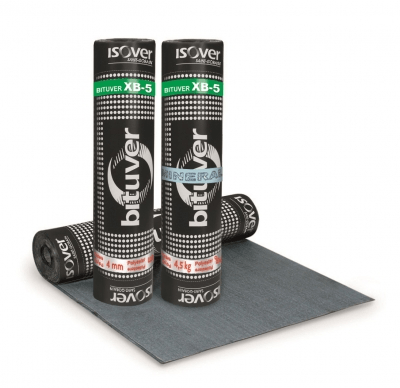
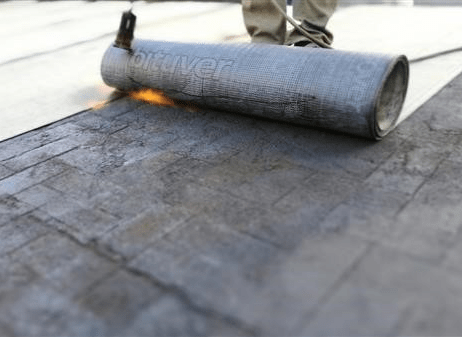
BITUVER XB-5 is a 4 mm polyester-reinforced waterproofing membrane, listed for applications including roofs, foundations, retaining walls, balconies and terraces.
Applied by flame, it is an option for professionally installed membrane systems where suitable for the project. The specification should account for the surface, detailing and intend ed use of the area.
Discover BITUVER XB-5 →
Preparing for a bituminous membrane: ECOPRIVER Primer
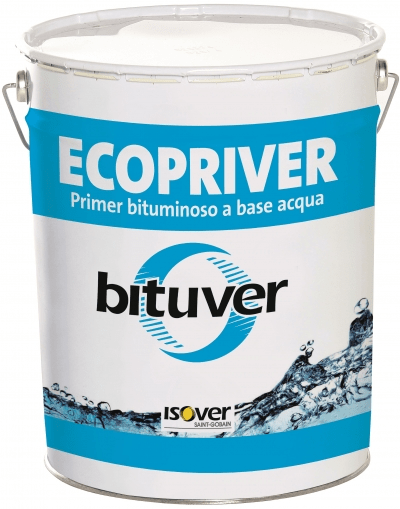
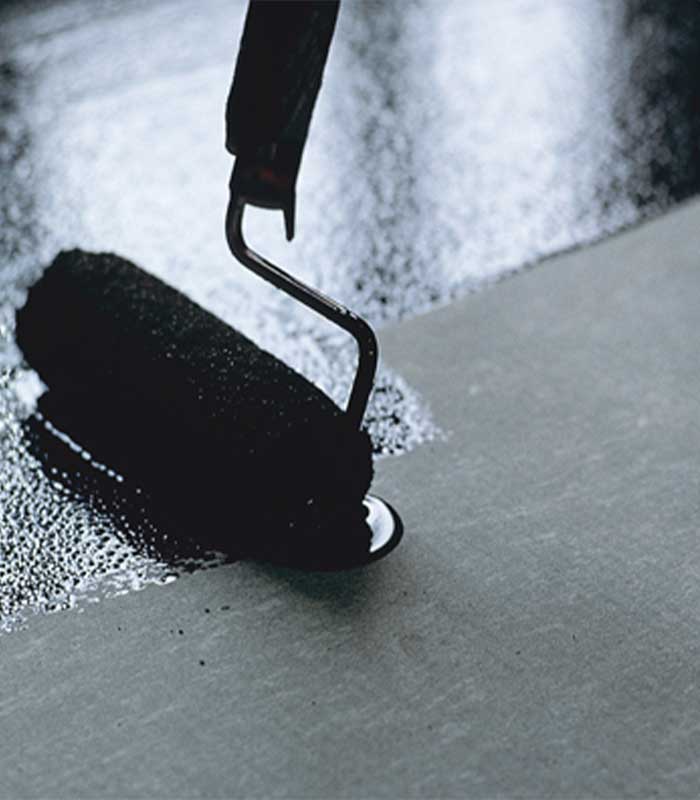
ECOPRIVER Primer promotes the adhesion of bituminous membranes and helps bind surface dust on concrete.
The BITUVER XB-5 product page recommends treating the application surface with Bituver ECOPRIVER. Its role is preparation within the system; surface repairs and other preparation still need to follow the installation requirements.
Discover ECOPRIVER Primer →
Liquid waterproofing for under-tile applications: HYDROSTOP FILM®
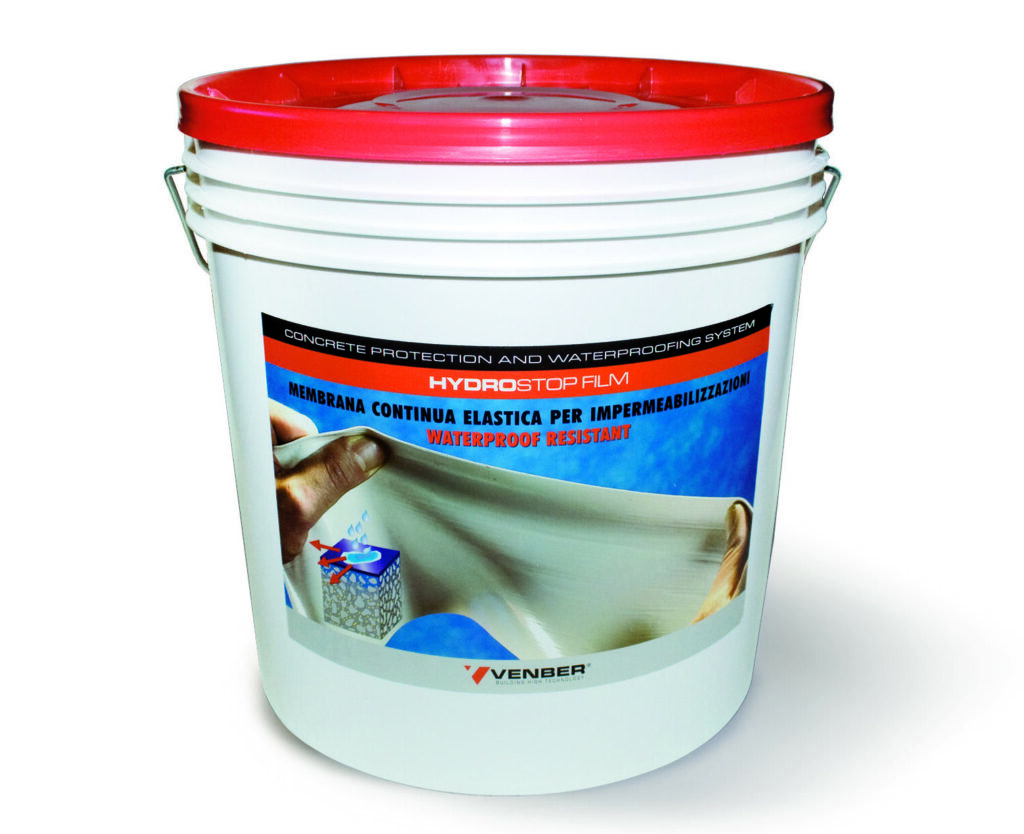
HYDROSTOP FILM®is a single-component liquid membrane with applications including under-tile waterproofing in bathrooms and balconies, pools and exposed concrete.
For a tiled area, considering the waterproofing beneath the finish is an important part of planning. Suitability should be confirmed for the substrate, exposure and complete build-up.
Discover HYDROSTOP FILM® →
Preparing the surface for HydroStop products: Waterproofing PRIMER
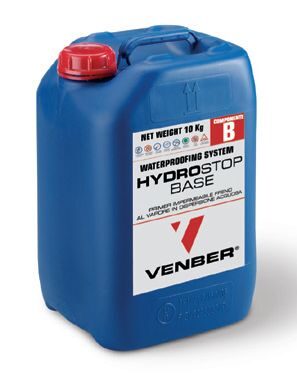
Waterproofing Primer is a water-based acrylic primer used with HydroStop products to promote adhesion of subsequent layers.
It illustrates why preparation deserves as much attention as the visible application. Use the primer specified for the chosen system and follow its surface and drying requirements.
Discover Waterproofing Primer →
Limiting rising ground moisture: Damp Proof Course FORST® BOR
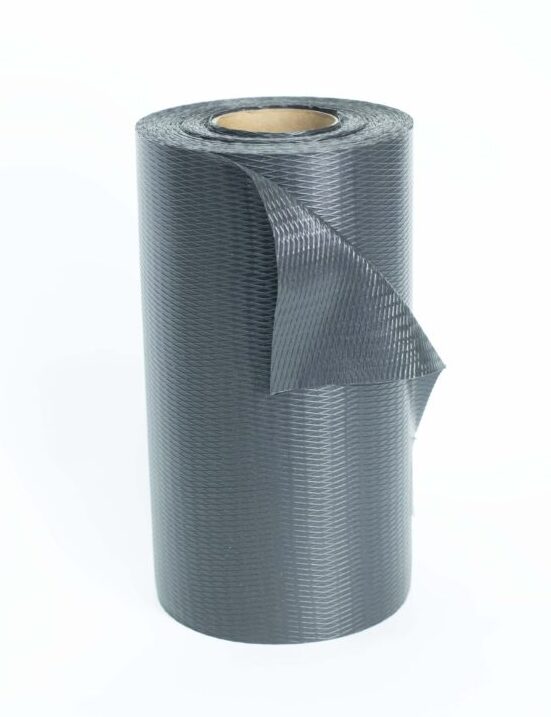
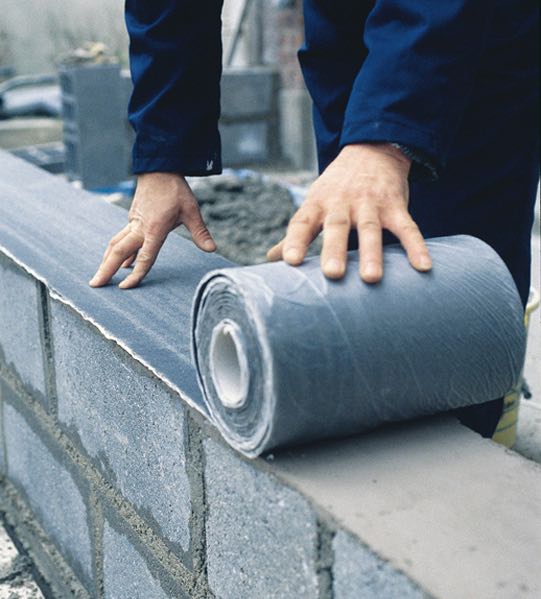
Damp Proof Course (DPC) FORST® BOR is designed to block the capillary rise of ground moisture into foundations and walls.
It addresses a different moisture route from rainfall on a roof. Its position and continuity need to be considered within the building’s damp-proofing design, particularly during construction or relevant renovation work.
Discover Damp Proof Course (DPC) FORST® BOR →
Moisture protection for concrete floors: DL FOIL
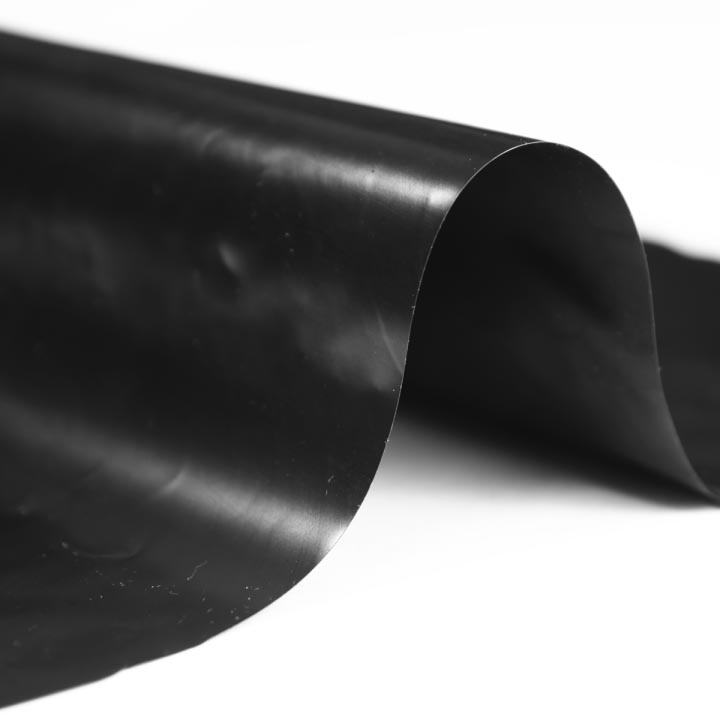
DL FOIL is an LDPE polyethylene membrane intended to protect concrete floors against rising capillary water. It is resistant to water, water vapour and mechanical stress.
For floor construction, it provides a moisture-barrier option within the specified build-up. Installation details, including joints and connections to adjoining protection, need to follow the project requirements.
Discover DL FOIL →
Protecting foundation layers: Dimple Sheet – GXP® PLUS
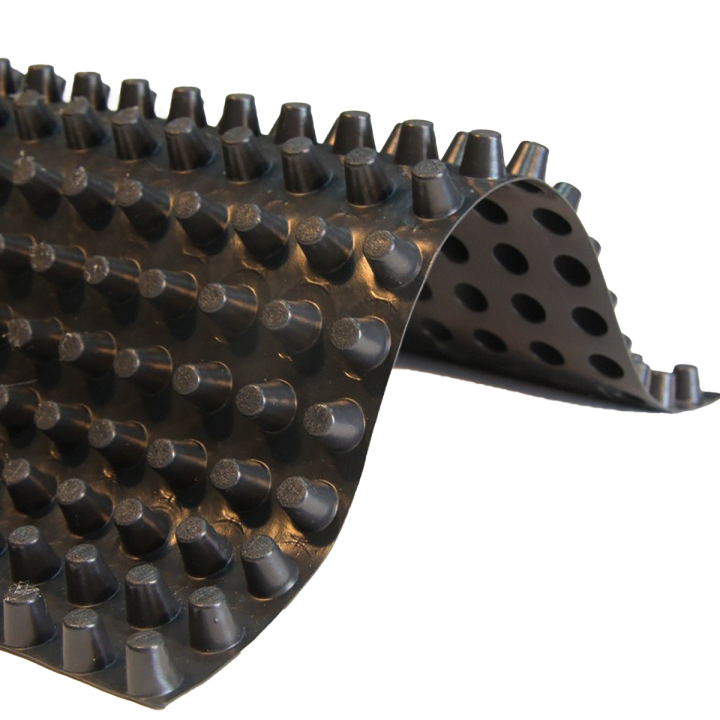
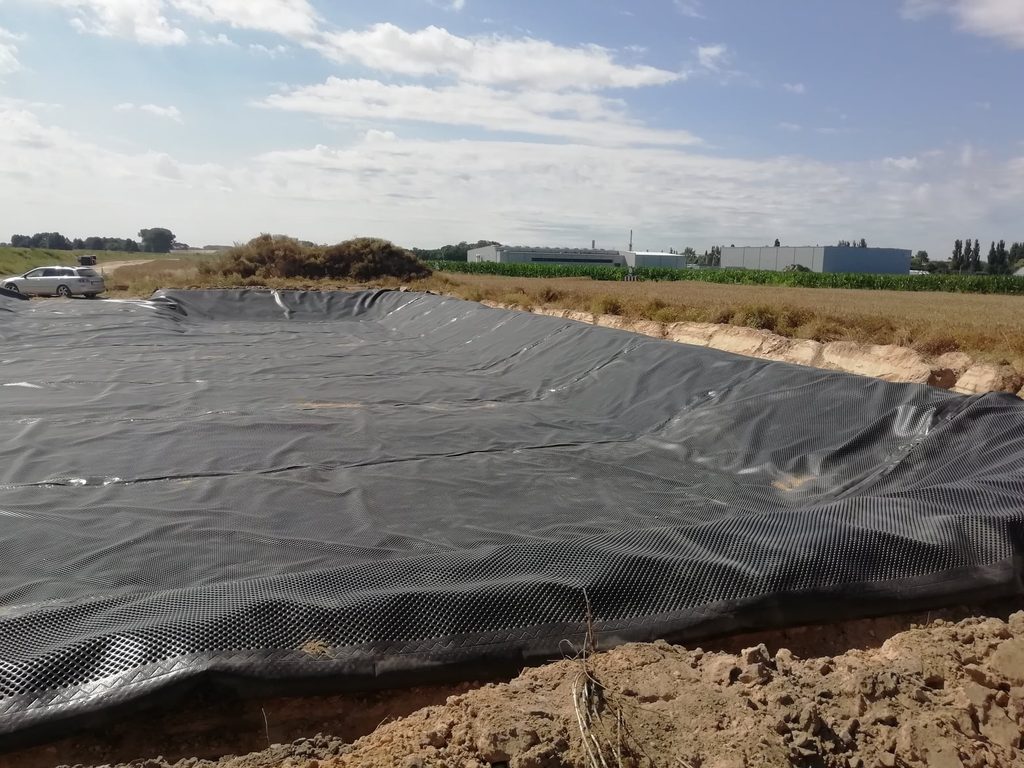
Dimple Sheet – GXP® PLUS is an HDPE sheet designed for foundation walls and underground sections, including the protection of existing insulation layers.
It belongs in the wider discussion of below-ground protection. Its use should be coordinated with the specified waterproofing, insulation and drainage arrangements for the project.
Supporting drainage and filtration: Naptex® 100
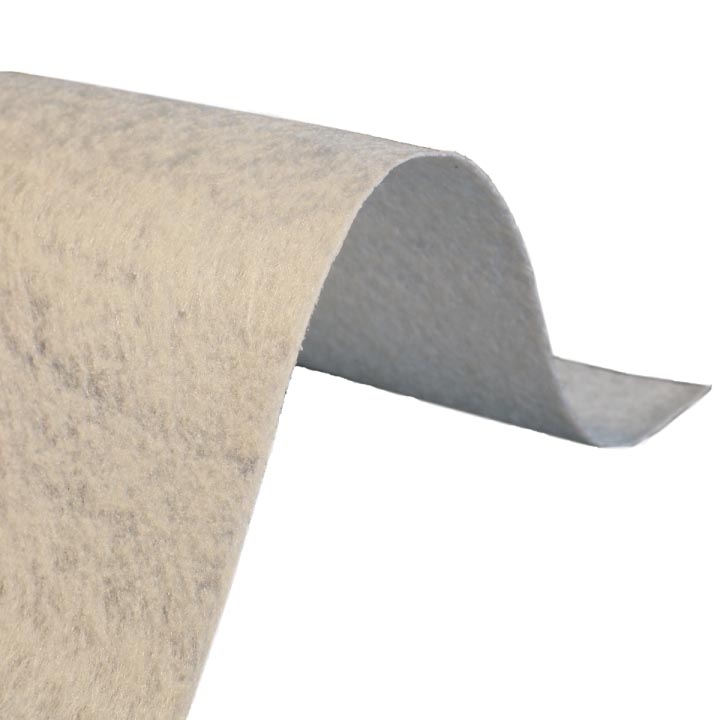
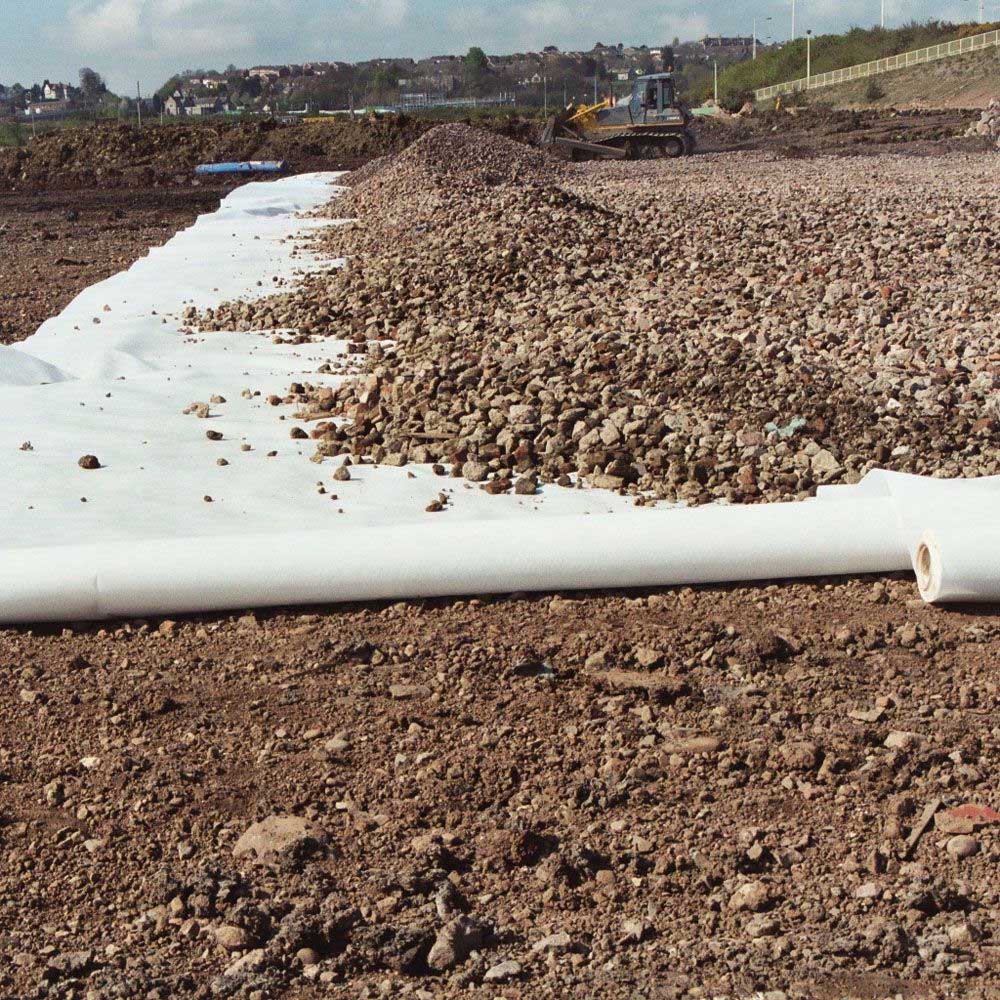
Naptex® 100 supports water filtration and separation between materials. Its listed uses include protecting drainage pipes, separating aggregates and helping prevent drainage-system clogging.
This makes it relevant to waterproofing month through water management. It allows filtration rather than acting as the waterproof barrier, and can play a supporting role in specified perimeter drainage and other construction arrangements.
Discover Naptex® 100 →
Blue Mesh: Reinforcement that does not rust
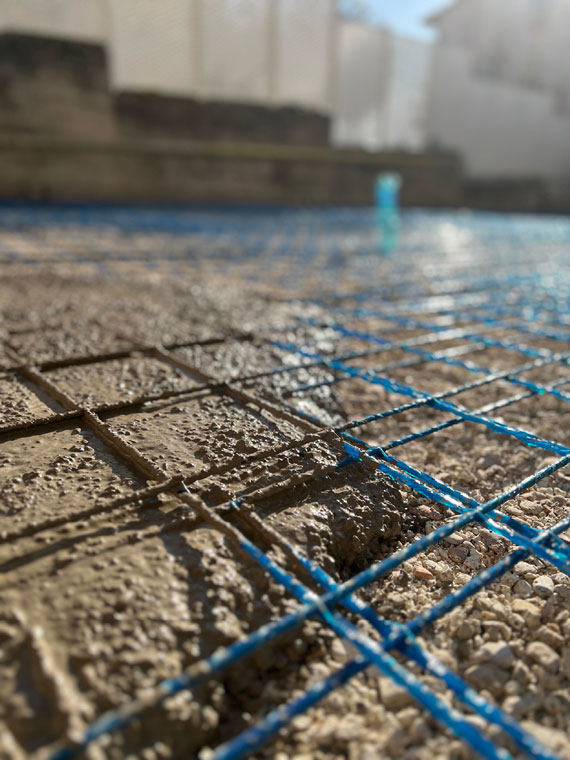
Moisture protection also means considering the materials beneath the surface.
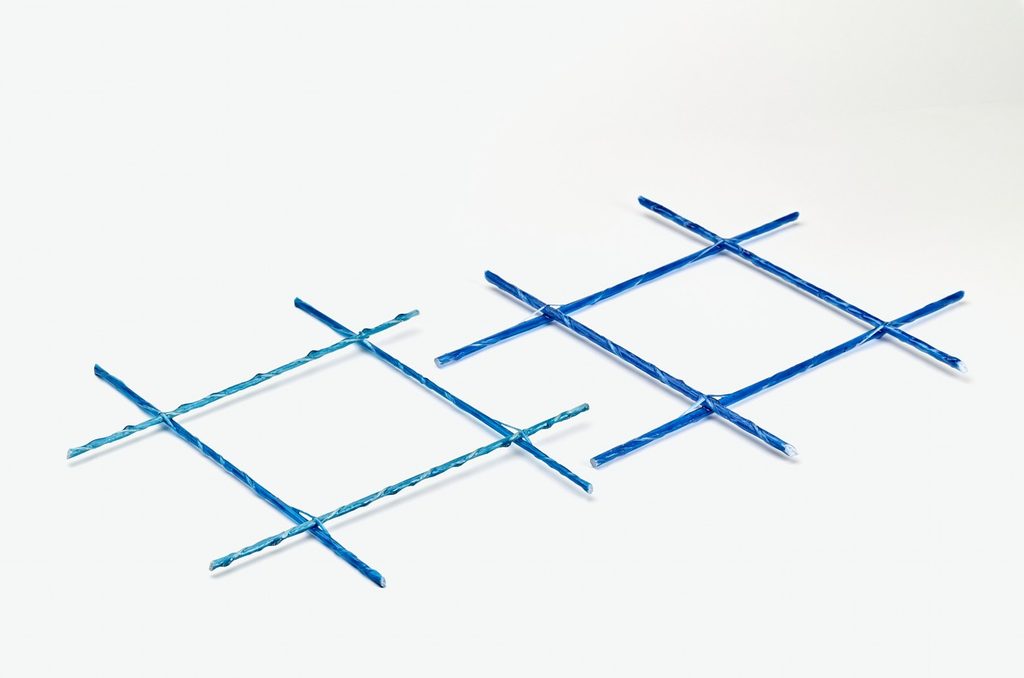
Made from glass and thermosetting epoxy resin, Blue Mesh offers a key advantage over traditional steel reinforcement mesh: it does not rust. This makes it a useful option for suitable concrete and screed applications where moisture exposure is a concern.
When steel reinforcement corrodes, the rust expands, which can crack and damage the surrounding concrete. Over time, corrosion can also reduce the steel’s strength. Choosing non-metallic reinforcement avoids this particular source of deterioration.
Blue Mesh is designed for applications including screeds, industrial flooring and walkways, with suitability determined by the project specification. It complements the wider approach to protecting a building, while waterproofing remains a separate layer of protection against water ingress.
Discover Blue Mesh →
Think about the complete system
Protecting a building from moisture involves several elements, each with a different role.
Waterproofing membranes help keep water out. Primers prepare surfaces for subsequent layers. Damp-proof barriers limit the movement of ground moisture, while drainage materials help manage water around the building.
The reinforcement beneath the surface also deserves consideration. In suitable concrete and screed applications, non-metallic reinforcement such as Blue Mesh avoids the rust-related deterioration that can affect traditional steel mesh. It complements waterproofing, while serving a separate purpose.
These products are not interchangeable or intended to form one universal system. Begin with the area being protected and the source of moisture, then select compatible materials according to the project specification.
For an existing property, this may mean assessing deterioration and planning repairs. For a new project, it means considering protection before construction layers conceal it.
Preparation is key
Take time to review how your building is protected, from exposed surfaces to the layers beneath them.
de Valtech supplies materials for waterproofing, damp-proofing, reinforcement and drainage. Speak to the team about your project, the surface involved and the problem you need to address.
Explore our waterproofing range or contact de Valtech for product information and quotations.